Showing posts with label disabled women's rights. Show all posts

Saturday, 4 March 2017

Disability Rights 23: Cruel, inhuman or degrading treatment

In addition to the human rights laws in the Constitution of Uganda there are several other rights granted to persons with disabilities (PWDs). These rights are given by law in the Persons With Disabilities Act 2006 (PWDA) which is modeled on the United Nations Convention on the Rights of Persons with Disabilities (CRPD). Whether you are a PWD or not, these laws apply to you.

Section 34 of the PWDA says that PWDs should not be subjected to cruel, inhuman or degrading treatment. Also, no one is allowed to subject a PWD to a medical or scientific experiment without their free and informed consent.

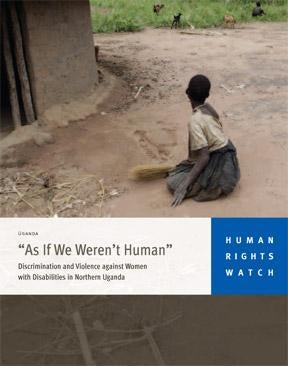
PWDs are more likely to be the victims of violence than non-disabled people. And women with disabilities are much more likely to be the victims of violence than their non-disabled counterparts (see Document on Violence against Women with Disabilities). Violence against women includes the following:
  • forced isolation, confinement, and being hidden in the family home 
  • forced and coerced administration of psychotropic drugs or putting drugs in the food 
  • forced and coerced institutionalization 
  • restraint and isolation in institutions 
  • creating pretextual situations to make the woman appear violent or incompetent in order to justify institutionalization and deprivation of legal capacity 
  • labelling anger and self-assertion by women as behavior that is “mentally ill and dangerous” (especially if the woman has been previously institutionalized) 
  • withholding medication that the person uses voluntarily, medical and mobility aids, or communication equipments 
  • denial of necessities and purposeful neglect 
  • threats to neglect children or pets 
  • verbal abuse and ridicule 
  • physical abuse or threat of it 
  • being left in physical discomfort or embarrassing situations for long periods of time 
  • threats of abandonment 
  • violations of privacy 
  • being ignored 
  • financial abuse 
  • restraint, strip searches, and solitary confinement that replicate the trauma of rape 
  • rape by staff and other inmates/residents of institutions 
  • forced abortion 
  • forced sterilization
For people with mental health problems the situation is equally bleak. In a 2013 report Psychiatric hospitals in Uganda: A human rights investigation, inspectors from the Mental Disability Advocacy Center (MDAC) and Mental Health Uganda (MHU) noted in their report that Uganda has a mental health service that is under developed and under resourced. Mental health laws are outmoded and unenforceable and date back to the colonial era. There is no reference to the human rights for people in hospital with mental health problems and furthermore, there is no protection against maltreatment or abuse. These are some human rights abuses uncovered by the inspection team:
  • People with mental health issues were frequently locked in dark and cold seclusion rooms, often naked, lying on the same floor where they were forced to urinate and without access to a toilet. 
  • People with mental health issues were not free to leave hospital without the permission of staff, whether or not they were legally detained... The majority were forcibly brought to psychiatric hospitals in shackles or ropes, and in very few cases was there any lawful authority for such practices. 
  • Compulsory and forced treatment was the norm, and the right to informed consent and refusal of treatment was completely denied. 
  • The entire system was based on a highly pharmacological approach. Alternatives such as psychological or psycho-social interventions were virtually unknown and individualised care was completely absent. 
  • The conditions in many hospitals were appalling, including at Butabika hospital male and female acute wards, which were seriously overcrowded. 
  • The physical health care needs of the majority of inpatients were neglected. 
  • Women with mental health issues were subjected to additional abuses. Women reported not being provided with sanitary pads and had to wear dirty underwear and were left without access to clean clothes or washing facilities. 
  • Food was not provided by the government in hospitals, except at Butabika. This was particularly concerning as many people with mental health issues had been abandoned by their communities and families and were left destitute. 
If you are a woman with a disability and you have been the victim of abuse; or if you have a mental health problem and you have been a victim of abuse; or if you are member of the public and you have witnessed any abuse; you can report the incident to the National Council for Disability for further investigation. 

Psychiatric hospitals in Uganda: A human rights investigation.
The absence or lack of enforceable legislation is of serious concern, meaning that mental health care and abusive practices can take place without any regulation whatsoever. Uganda must now stop stalling on the passage of new, robust legislation based on and extending human rights protection to those people who use psychiatric services in the country. It should do this through the passage of legislation as soon as possible, and must ensure that people with mental health issues and their representative organisations are involved in the process.


This law is written like this in section 34 of the Persons With Disabilities Act 2006:
34. Cruel, inhuman or degrading treatment.

(1) A person or institution shall not subject a person with disability to cruel, inhuman or degrading treatment.

(2) A person or institution shall not subject a person with disability to medical or scientific experimentation without the free and informed consent of the person concerned. 

Thursday, 22 December 2016

Disabled Women's Rights: Sexual Abuse

Barbara Nandutu talks about some of the sexual, physical and mental abuse she has experienced because of her disability. The Poster says:
African Youth with Disabilities: Raising our Voices for Inclusion was a six-day gathering of 50 youth with disabilities organized in response to the growing youth with disabilities movement on the African continent. In this segment we hear from Barbara Nandutu who says, "The laws are there to protect people with disabilities but the knowledge of them at this point is very low. For the authorities it's just about the position of power, not its just implementation."

Saturday, 17 December 2016

Disability Rights: Uganda Human Rights Commission

In the blog post Do you know your rights? it was shown that the basis of  human rights for the population of Uganda and more especially for persons with disabilities (PWDs) is the United Nations Convention of the Rights of Persons with Disabilities (CRPD). Chapter four of the Ugandan constitution guarantees the rights of all people in Uganda including PWDs (see Education: Disability and the Constitution). The Persons With Disabilities Act 2006 (PWDA) is the over arching law that protects these rights for PWDs in Uganda (see Ugandan Law: Persons With Disabilities Act and Education). This blog post will discuss the work of the Uganda Human Rights Commission (UHRC). 

The UHRC was established 1995 in the Bill of Rights which is Chapter 4 of the Constitution. The UHRC is a national human rights institution. It is mandated in Article 52 of the Constitution. Wikipedia explains:
The Commission is composed of a Chairperson, currently Mr Med S.K Kaggwa, and not less than three other persons, appointed by the President with the approval of Parliament. There are at this time seven commissioners. The Chairperson and Members of the Commission have to be persons of high moral character and proven integrity. They serve for a period of six years and are eligible for re-appointment.
The UHRC is the national human rights institution, established in accordance with the Constitution, to promote and protect human rights as well as monitor them in the country in line with international human rights instruments.  UHRC's competence and responsibilities is in tune with the international standards, spelt out by the Paris Principles relating to the status of national institutions for the protection and promotion of human rights. 
In summary, the breadth of the mandate of UHRC includes human rights promotion and outreach, investigation and resolution of complaints, commenting on the Bills before parliament, monitoring Uganda‘s compliance with international treaties and the Constitution on matters of human rights and performing any other human rights matter as may be provided by law. It also publishes periodic reports on the status of human rights in the country and submits those reports to Parliament annually.
In the performance of its functions, UHRC assumes the powers of the Judicial Court. On the investigation of the violation of rights of disabled people, there has been a general improvement in the way disability features in UHRC reports to parliament since 2000. In particular, the 2009 annual reports highlights the situation of disabled people in the country, challenges faced by disabled people in enjoyment of their rights and recommendations for the improvements of the human rights situation for disabled people. It appears the UHRC has done much on the issues relating to access to primary and secondary education, but little on higher education. This is the gap in the work of UHRC that needs to be filled to ensure that UHRC ensures a right to education for disabled people in higher education. 
On their website, the UHRC explains its functions which have been mandated by Ugandan law:
  • To investigate, at its own initiative or on a complaint made by any person or group of persons against the violation of any human right;
  • To visit jails, prisons, and places of detention or related facilities with a view of assessing and inspecting conditions of the inmates and make recommendations;
  • To establish a continuing programme of research, education and information to enhance respect of human rights;
  • To recommend to Parliament effective measures to promote human rights including provision of compensation to victims of violations of human rights, or their families;
  • To create and sustain within society the awareness of the provisions of the Constitution as the fundamental law of the people of Uganda;
  • To educate and encourage the public to defend this Constitution at all times against all forms of abuse and violation;
  • To formulate, implement, and oversee programmes intended to inculcate in the citizens of Uganda awareness of their civic responsibilities and an appreciation of their rights and obligations as free people;
  • To monitor the Government’s compliance with international treaty and convention obligations on human rights; and
  • To perform such other functions as may be provided by law.
The vision for human rights in Uganda, which is supported by law, is articulated by the UHRC in the following way:
UHRC Vision
A society that respects human rights and fulfils civic obligations.
UHRC Mission Statement
To protect and promote fundamental Human Rights and freedoms in Uganda for sustainable development.
UHRC Values and Principles
  • Integrity
  • Transparency
  • Accountability
  • Fairness
  • Dignity of the person
  • Independence
  • Professionalism
  • Non-discrimination
What can PWDs complain about to the UHRC?
The Uganda Human Rights Commission can investigate and resolve complaints of discrimination, harassment and bullying based on a person’s:
  • sex, including pregnancy, marital status, breastfeeding, family responsibilities and sexual harassment
  • disability, including temporary and permanent disabilities; physical, intellectual, sensory, psychiatric disabilities, diseases or illnesses; medical conditions; work related injuries; past, present and future disabilities; and association with a person with a disability
  • race, including colour, descent, national or ethnic origin, immigrant status and racial hatred
  • age, covering young people and older people
  • sexual preference, criminal record, trade union activity, political opinion, religion or social origin (in employment only)
It is against the law to be discriminated against in many areas of public life, including employment, education, the provision of goods, services and facilities, accommodation, sport and the administration of Commonwealth laws and services.

The Commission can also investigate and resolve complaints about alleged breaches of human rights against the Commonwealth and its agencies.
The report highlighted key human rights concerns for the elderly, albinos, PWDs and ex-combatants

The blog post Report on the Rights of Persons With Disabilities discussed the work required by Uganda to fulfil its obligations as a signatory to the CRPD. The Committee on the Rights of PWDs: Concluding observations on the initial report of Uganda was a report written by the United Nations committee that oversees the progress on the implementation of disability rights law in Uganda. The UHRC gives input into that report. This summary of their findings gives an idea of the UHRC's scope of involvement in disability rights:
The Chairperson, Uganda Human Rights Commission led a delegation of stakeholders that have done a lot of commendable work in the promotion and protection of rights of persons with Disabilities. This delegation included representatives from National Council for Disability, Equal Opportunities Commission, Ministry of Gender, Labour and Social Development, NUDIPU and Uganda Human Rights Commission.

Uganda ratified the Convention on the Rights of Persons with Disabilities (CRPD) and its two Optional Protocols in 2008. In 2012, Uganda complied with its international treaty body reporting obligation by submitting its initial report to the Committee on the Convention on the Rights of Persons with Disabilities.

Consequently, in April 2016, Uganda’s record on the implementation of the CRPD was reviewed by the aforementioned Committee and concluding observations and recommendations were developed. To that end Uganda is meant to address the key human rights concerns and observations raised.

Under paragraph 69 of the concluding observations, the Committee enjoins Uganda to transmit the concluding observations and action to members of the Government, Parliament, officials in relevant ministries, local authorities, organizations of persons with disabilities and members of relevant professional groups, such as education, medical and legal professionals, as well as to the media.

On 15th June 2016, the UHRC together with NUDIPU and OHCHR disseminated these concluding observations to over 120 stakeholders including: the media; DPOs; education, medical and legal professionals.

These concluding observations and recommendations encompassed: harmonizing definitions of disability in various laws and policies and a systematic review of all legislation and bringing it in line with the Convention; adopting measures to amend and/or repeal legislation with derogatory terminology against persons with disabilities; providing for legal protection against disability-based discrimination, multiple and intersectional forms of discrimination facing persons with disabilities; incorporating the concept of reasonable accommodation in the legislation as defined in Article 2 of the Convention and recognition of the denial of reasonable accommodation as a form of discrimination based on disability.

In addition the Committee recommended for the repealing and elimination of legislation and practices that allow for deprivation of legal capacity on the basis of disability and the adoption of measures to prohibit deprivation of legal capacity on customary basis; adoption of measures to ensure that all persons with disabilities have access to justice including the establishment of free legal aid for persons with disabilities concerning their rights; and the dissemination of information in appropriate formats like braille, tactile, augmentative and alternative formats and the Ugandan sign language; establishment of a National Coordination Team for the implementation of the concluding observations; development of an action plan for the implementation of the CRPD; and strengthening the capacity of the Uganda Human Rights Commission with sufficient budgetary allocation and human resources to fulfill its mandate effectively.

The Commission in line with its constitutional mandate pledges to continue monitoring Government’s compliance with the CRPD and the concluding observations. In addition, the Commission plans to work closely with the Equal Opportunities Commission, National Council for Disability and Disability People’s Organizations (DPOs) in the monitoring the implementation of these concluding observations.

It is in recognition of the Parliament’s key role in ensuring that these recommendations are implemented by various Ministries, Departments and Agencies (MDAs) that the Uganda Human Rights Commission, the Equal Opportunities Commission, the National Council for Disability, the Ministry of Gender Labour and Social Development and the (DPOs) presented these CRPD concluding Observations and recommendations to the Human Rights Committee of Parliament consideration and action.

Therefore, Parliament is called upon to ensure that the rights of PWDs are promoted and protected in Uganda and to ensure the expeditious implementation of the concluding observations and recommendations by the various MDAs.
The UHRC is important for the monitoring and feedback on all aspects of human rights in Uganda. It is of particular importance to PWDs because of its monitoring of the CRPD. The UHRC is an independent body that protects the rights of all people in Uganda. PWDs are citizens of Uganda and as such have the same rights as every other citizen. Do you know your rights?

Thursday, 24 November 2016

Affirmative Action in Adult Literacy

There is a lack of information about the literacy of people with disabilities (PWDs) in Uganda. However the 2002 report UGANDA POPULATION AND HOUSING CENSUS Analytical Report: EDUCATION AND LITERACY states that only 35 % of women PWD’s were literate, compared to 62 % of the males. This video is therefore of great importance to all PWDs. The poster says:
Members of the Uganda literacy learners association have petitioned parliament over the negligence of adult literacy in the country. The Petitioners want parliament to raise its voice on the lukewarm response to calls for scaling up adult literacy education. They say, scaling up adult literacy presents to them opportunities for personal development and improvement of the country.

Sunday, 13 November 2016

Education and Disability: An Alternative Report to the UNCRPD

In The Right to Education in Uganda it was shown that the Ugandan government protects the rights of its disabled citizens through legislation and policy. The Ugandan state is a signatory to the United Nations Convention on the Rights of Persons with Disabilities (UNCRPD). The Ugandan government is responsible for reporting back to the United Nations on its implementation of the UNCRPD. The National Union of Disabled Persons Uganda (NUDIPU) has published its own alternative report (see ALTERNATIVE REPORT TO THE UN COMMITTEE OF EXPERTS ON THE IMPLEMENTATION OF THE CONVENTION ON THE RIGHTS OF PERSONS WITH DISABILITIES (CRPD)) as a counterpoint to the report to the United Nations on Uganda's implementation of the UNCRPD (see Concluding observations on the initial report of Uganda). The NUDIPU report discusses the progress the Ugandan government has made towards an equal society for persons with disabilities (PWDs). This blog post will discuss the grassroots/ NUDIPU understanding of Article 24, The Right to Education.

In 2014 NUDIPU published its ALTERNATIVE REPORT TO THE UN COMMITTEE OF EXPERTS ON THE IMPLEMENTATION OF THE CONVENTION ON THE RIGHTS OF PERSONS WITH DISABILITIES (CRPD). The report opens with an executive summary bringing out the failings of the Ugandan government. The UNCRPD was ratified on the 25th September 2008 without reservations. The government put the rights into law. Despite the good work of the Ugandan government, NUDIPU identifies the following gaps:
  • The Definition of disability by the Ugandan laws places emphasis on the person with disability rather than the social and environmental barriers, contrary to the UNCRPD. Uganda should therefore harmonise its definition of disability.
  • The existing laws and policies are not compliant with the UNCRPD, e.g. Derogatory language in the laws such as “unsound mind” and “lunacy”, discriminate against persons with psychosocial and intellectual disabilities and prevents them from holding public offices as well as political participation.
  • Generally, the consultation of PWDs and their DPOs (disabled persons organisations) both on national and local planning and development is uncoordinated, inadequate and is not fully inclusive. As a result the special needs and interests of PWDs are invisible in national and local government plans and programmes. Government therefore must encourage effective involvement of PWDs and their DPOs at all levels of planning as required by the UNCRPD.
  • Affirmative action for PWDs has not been applied to sectors such as employment, health and transport. In addition, the requirement to provide reasonable accommodation is not existent within the Ugandan legal framework.
  • Accessibility is a major challenge for PWDs-- the physical infrastructure, public transport systems and information and communication remain restrictive to PWDs in participation in family and community life. Government should address accessibility barriers faced by PWDs E.G., ensuring talking-elevators and road-crossing signs for visually impaired persons, recruitment of Sign Language Interpreters in all public places, refurbishing old public buildings that are inaccessible to PWDs and ensuring that the private sector makes necessary adjustments to increase accessibility in all their services.
  • There is a challenge in government to handle the plight of PWDs during situations of risk, humanitarian emergencies and recovery programmes. For example the 3,098 PWDs remaining in the Internally Displaced Peoples Camps in northern Uganda. Government should earmark part of the resources from the NUSAF (Northern Uganda Social Action Fund), PRDP (Peace, Recovery and Development Plan) and other recovery programs to resettle these PWDs on equal basis with other citizens in the region.
  • Although Uganda established structures for public awareness, national implementation and monitoring of the UNCRPD, e.g. the Uganda Human Rights Commission, the National Council for Disability and focal points in line Ministries and Equal Opportunities Commission to ensure that disability issues are addressed, all these have insufficient funds and training to adequately implement UNCRPD provisions.
  • There is limited training and deployment of professionals to support PWDs across the country. This calls for government deliberate efforts to increase on the numbers of such officials in the public sector e.g. education, health, justice, rehabilitation etc.
The NUDIPU alternative report discusses each article of the UNCRPD. It cannot be emphasized more that the definitions of disability should be harmonized across all laws in Uganda. The report also notes that people should be aware that they can ask for their rights. Awareness raising about the UNCRPD is an important obligation for the Government. The alternative report says:
  • Government should invest resources to raise awareness about disability and the UNCRPD by various means throughout society, including through awareness campaigns targeting the general public, and in particular persons with disabilities themselves, the media, employers, education and health professionals, among others.and by gazetting the International Day of Persons with Disabilities as a public holiday.
Likewise accessibility is an important issue. It is all very well demanding the right to education but not being able to access classes in school is another major issue. The alternative report continues:
  • Government should develop and implement a policy on accessibility for persons with disabilities. The enforcement and monitoring of all regulations and provisions for accessibility should be conducted in consultation and with the participation of PWDs and their representative organisations. Government, through the Ministry of Works and Transport, should allocate resources to implement the provisions in the Persons with Disabilities Act on accessibility and the Building Control Act.
  • The Ministry of Transport and Works should develop regulations to operationalise the Building Control Act of 2013 to ensure that all future building programmes meet accessibility standards. The Public Procurement and Disposal of Assets Act (PPDA) should be amended to incorporate accessibility standards as one of the criteria for awarding construction tenders.
  • Government, through the Ministry of Public Service, should ensure that sign language interpreters are employed in public service to enable persons with hearing impairments to access information and services. The Communication Act should be amended to make it mandatory for media houses, especially television, to use visual captioning and sign language interpreters.
  • The Ministry of Information should enforce the provision on access to information by persons with disabilities as stipulated in The Access to Information Act. Government should develop measures to train persons with disabilities and professionals in the use of different communication formats and technologies. Government should develop a communication system specific to persons with intellectual disability that includes easy read formats, simple sign language, photographs, and audio description.
The alternative report then discusses the specifics of Article 24 on the Right to Education. The report brings out the following points:
Although government is committed to the principle of inclusive education, the Persons with Disabilities Act (2006) is ambiguous as it does not provide for reasonable accommodation and promotes both inclusive and Special Needs Education (SNE), which is in contravention of the UNCRPD.
In Uganda there is still lack of adequate SNE teachers and essential educational materials in primary and secondary schools, and tertiary institutions. Furthermore, SNE teachers are not included in the Public Service Code, which often affects their recruitment as SNE teachers.
There is evidence that most schools are still inaccessible; with no latrines for learners with disabilities; and some headmasters reject children with severe disabilities.
Learners with disabilities are denied Education Assessment Services during pre and actual school time, which leaves them with no intervention to address their specific educational needs.
The current school curriculum is not sensitive to the educational needs of CWDs.
There are no reliable statistics on the enrollment, type and level of vulnerability of CWDs in either primary or secondary schools to guide planning and budgeting in the education sector. This is due to lack of awareness of most school administrators and Teachers on disability.
Although the Ministry of education distributes Braille materials and equipment to schools, they are insufficient and most times irrelevant. Besides, disability categories other than people with visual impairment are not catered for.
The SNE Departments at National and district levels lack adequate resources to finance inclusive education. Also, SNE learning centres are concentrated in towns thereby neglecting the rural areas.
Majority of CWDs come from very poor families and the schools that can accommodate their educational needs are very few and often very distant (on average 150 kms). Secondly, majority of children with multiple disabilities require boarding facilities to enable them learn appropriately. However under UPE (Universal Primary Education), government does not provide for boarding fees and this diminishes these children’s opportunities for access to education.
Recommendations
  • Government should expedite the transition to an inclusive education system, where SNE specialists would provide support for CWDs in regular schools and provide compulsory training for all teaching and non-teaching staff on rights of CWDs.
  • Government should develop a strategy and allocate resources to develop an inclusive education system, including the transformation of boarding and SNE schools into resource centres facilitating inclusion in regular schools, as well as developing support systems and other measures to prevent the drop out of children with disabilities, both in urban and rural areas.
  • Government should develop and incorporate into law and policy explicitly the obligation to provide reasonable accommodation, including conducting training on reasonable accommodation in close consultation with organisations of persons with disabilities.
  • The school curriculum should be revised to take into account the educational needs of all learners, including those with disabilities. In addition, a comprehensive review of the teacher training curriculum at all levels of education should be conducted, and compulsory training on inclusive education in core curricula of teachers both pre- and in-service to provide for disability awareness, inclusive education pedagogy, sign language, Braille, easy read, and tactile training for all professionals.
  • The Government must enhance accessibility of all learning institutions.
  • Government should re-establish the Education Assessment and Resources Services programme (EARS) and develop a disaggregated data base on learners with disabilities so as to identify and provide the specific learning materials and support services required.
  • The school curriculum should be revised to take into account the educational needs of all learners with disabilities. In addition, a comprehensive review of the teacher training curriculum at all levels of education should be conducted to provide for disability awareness, sign language, Braille, easy read, and tactile training for all professionals.
Kisoro Demonstration School, Kisoro
The launch of the alternative report was covered in the 2014 article Challenges faced by CWDs.
CWDs are vital and valuable part of the society, yet most marginalised and vulnerable group of persons in Uganda. They are abused, exploited and excluded by the societies they live in, denying them of their inalienable and recognised rights.
Uganda has broadly domesticated the rights of CWDs as enshrined in both the Convention on the Rights of the Child (CRC) which was ratified by Uganda in 1990 and the United Nations Convention on the Rights of Persons with Disabilities (UN CRPD) with its optional protocol ratified by Uganda on September 25, 2008 without reservations. By so doing, Uganda committed itself to accord all rights stated in the UN human rights instruments to PWDs like all other citizens.
The provisions are recognised in the constitution of 1995 and in most of the laws and policies establishing the rights PWDs and/or children including, but not limited to the Childrens Act and PWDs Act of 2006.
In spite of the fact that the rights of CWDs are acknowledged, some of the provisions to realise them do not meet the standards expected by the CRC and the UN CRPD and as a result, CWDs have suffered disproportionately. The data relating to CWDs are scarce and to some extent, unreliable. However, the research study conducted by the United Nations Children’s Fund (UNICEF) between November 2013 and February 2014, and also based on the estimates, the child disability prevalence is about 13% or 2.5 million people living with some form of disability in Uganda. Henceforth, CWDs are vulnerable to a number of challenging issues recognised as follows;
Lack of effective participation: There is limited involvement or no involvement of CWDs, their parents or guardians in formulation, dissemination and implementation of the laws and policies that relates to them. Worse to that, even the relevant persons that take care of CWDs are also not engaged in the formulation, dissemination and implementation of such laws and policies. This has, as a result, led to ignorance and ineffective implementation of the existing laws and policies that could be enforced by CWDs and their parents or guardians to cause inclusiveness. The lack of effective participation for the interest of CWDs negates Article 7 of the UN CRPD which enacts that;
‘‘In all actions concerning CWDs, the best interest of the child shall be a primary consideration’’.
Community misconceptions and stigmas: Community misconceptions and stigmas remain associated with CWDs, homes of CWDs and this in turn leads to attitudes and behaviours of neglect, isolation, abuse and marginalisation of CWDs by communities and families leading to increased discrimination. CWDs are under looked by their fellow peers in the societies that they live. Some parents have had and continue to have negative attitudes towards CWDs. A study conducted by the African Child Policy Forum in 2009 revealed that parents of CWDs and the immediate family members are the most perpetrators of violence against CWDs. Parents often hide CWDs and deny them of their rights thinking that they are totally helpless. Communities view CWDs as objects of charity worthy of no existence. This has, as a result, affected the ambitions of CWDs.
Inferiority complex: CWDs always underestimate themselves before others in society. They think they do not fit in the society like how other able bodied children do. This is visible in self pity, loss of self esteem and non- reporting of human rights violations against them. The situation is made worse by the service providers and the general public who do not appreciate that to accord CWDs their rights is an obligation. CWDs, therefore, have grown miserable and lack social networking skills.
Hunger: It is a painful reality that CWDs go through in their day today lives. Inadequate nutrition at a young age prevents CWDs from developing properly both physically and cognitive. This has led to poor health due to lack of food security.
Lack of community mobilisation and advocacy: This has been because of weak institutional framework as a result of lack of coordination between government institutions and civil society organisations of PWDs.
School related challenges: The enrolment rate of CWDs in pre-primary, primary and secondary school is very low. About 9% of CWDs attend school and only 6% of these children complete primary school and go to study in secondary schools according to a study conducted by UNICEF. The UBOS (Uganda Bureau of Statisics) statistical abstract 2010 survey states that disability is one of the major factors for children not attending school and according to the figures, 30% of the children aged 7 gave disability as one of the reasons for not going to school.
The 2002 national census estimated that about 2.5 million Ugandans were PWDs with only 2.2% of these having gone beyond primary school. The 2009 Foundation for Human Rights Initiative (FHRI) report cited rampant dropout rates of PWDs. It noted that many disabled children fall behind and discouraged by repeated failure, dropout of school. Denying CWDs their education is interpreted as denying their way of livelihood. The recognised challenges/barriers include the following;
a) The Alternative Report to the United Nations Committee of experts on the implementation of the CRPD as launched on April 27, at Hotel Africana indicates that UPE has created a high demand for secondary education, which is not being addressed by the Government. There is no universal secondary education (USE) policy and consequently there are no programmes or initiatives addressing the needs of CWDs in secondary education. According to the Uganda Population and Housing census of 2002, only 2.2% of PWDs in Uganda attained post-secondary education;
b) Financial incapacity to manage the school dues;
c) The current school curriculum is not sensitive to the educational needs of CWDs and opportunities for these children are consequently limited and restricted. Disability related concepts and studies are ignored and/ or not thought of or little included in various school curriculums. The examination system is not flexible and nationally recognised and practiced;
d) School infrastructural difficulties are unfriendly to meet the CWDs’ needs. This involves impassable and un available facilities within the reach of CWDs;
e) Negative attitude towards CWDs by teachers and their fellow colleagues/ peers has affected the retention of CWDs in schools. CWDs are presumed to be incapable, of low intelligence, without friends, no value from them. Their participations at school are presumed to be useless and of no meaning.
f) Provision of insufficient institutional materials like braille papers, Perkins braillers and braille text books to special units to suit the special learning of CWDs. The alternative report to the UN committee of experts on the implementation of the CRPD indicates indicates that no braille text books are available for secondary school. Such has directly discriminated against CWDs and prejudice their education;
g) Lack of/limited involvement in sports disability related activities for CWDs hence restricting sports ambitions and poor body healthy set up for such children.
h) Few trained sign language teachers;
i) Long distance: Schools are not within the reach of CWDs. In rural areas, transport is still a big obstacle. This is complicated by some CWDs having assistive aids and compliances to enable their movement, rough terrain, rugged and slippery roads during rainy season
Recommendations:

  1. Review and enforce the Uganda legal and policy frame work;
  2. Sensitisation and awareness and reinforce the capacities of communities and stakeholders;
  3. CWDs, their parents or guardians to be actively consulted on an on going basis in relation to the decisions that affect them directly or indirectly;
  4. Ministry of Gender, Labour and Social Development in conjunction with the ministry of education to establish the child rights sponsorship fund for CWDs
  5. School curriculum should be revised to take into account the educational needs of all children and the Government should increase funding of the special education units;
  6. The Government should enforce the recruitment of special needs Education Assessment and Resources Services programme (EARS) with a view to re-establishing it.
  7. Government to come up with the statistical information for CWDs
  8. Nutritional counseling and encourage immunisation of CWDs. Nutritional status of CWDs can be improved through community based growth monitoring programme like identifying malnourished CWDs and encourage their families to adopt supplementary feeding. This will help to prevent polio and under weight.
  9. Implement programmes in education, health and rehabilitation fields;
  10. The Government to partner with organisations of the child and disability movement;
  11. Provision of disability friendly facilities and instructional materials;
  12. The Government to enact a special secondary education policy to ensure consolidated and comprehensive service delivery;
  13. Community mobilisation and advocacy;
  14. Parents of CWDs to form Associations.
The alternative report on the UNCRPD is important because it deals with grassroots sentiment about human rights legislation in Uganda. The alternative report states the issues as they affect PWDs and CWDs. Though the criticisms contained in the alternative report deal with the whole UNCRPD, this blog has examined only the articles that relate to right to education. The comments and recommendations made by NUDIPU have implications for the education of all Ugandan CWDs. Most significantly the government is failing in its obligation to inform people of their rights. The right to education is of fundamental importance because it is through education that everyone can improve their status and move out of poverty. Every PWD should know and demand their rights.

Saturday, 12 November 2016

Human Rights for the Disabled in Uganda

Uganda has adopted a Human Rights approach to tackling the problems of persons with disabilities (PWDs) (see The Right to Education in Uganda) . Is this approach working? These are the views of NUDIPU (Nation Union of Disabled Person in Uganda).

Sunday, 30 October 2016

Poverty and Disability in Uganda 3: Women and Politics

This is the third part of a series of blog posts examining the experiences of persons with disabilities (PWDs) living with poverty in Uganda. In Poverty and Disability in Uganda 1: Definitions we saw how PWDs define disability and poverty and further how PWDs understand the interaction of poverty and disability. Poverty and Disability in Uganda 2: Employment and Marginalization looked the issues of employment, isolation, exclusion, fear and neglect. This blog post will look at issues that affect women, it will also consider the effects of politics and stereotyping on chronic poverty and disability.

The 2015 report Women in Poverty: The Key to Breaking the Cycle? notes that: "The feminization of poverty – or the growing number of women in poverty – has been ongoing for the past 4 decades. It means that the proportion of women in the world who suffer from poverty keeps growing and that it is becoming a problem that affects more women than men." It is hardly surprising that being a woman compounds the effects of disability and chronic poverty.

The 2003 report Chronic Poverty and Disability in Uganda talks about women who give birth to children with disabilities are seen as being responsible for causing disability. The report talks about these issues under the heading of feminization of disability:

(a) Disability a “curse” to the family: Among some people in three out of four districts (Mbarara, Mukono and Iganga) disability was considered to be “a curse” brought to the family through the woman (mother of the disabled child). Thus it was evident in these districts that if disabled children are borne to a family, not only does the burden of care fall on the shoulders of the woman, but she too is often blamed for bringing “kisirani” (a curse) to the family. In Mbarara and Iganga disability was believed to be “transmitted” by a mother, who was sometimes blamed for failing to perform some marital rites or simply “looking at the wrong people” during the course of pregnancy. The common remedy when a woman, therefore, produces a disabled child, is for the man to “find another wife (woman) who does not produce disabled children”.
(b) Disability diminishes a woman’s chances to marry: Disability for female children, it was observed, created additional challenges. Communities’ expectation that girl children will be married off at puberty to start their own life - working for their husbands and bringing forth babies - was noted not to hold for disabled girls. Having a disability often meant that one was unable to cultivate, prepare food for self and others, do household chores or even have personal care. This tended to “reduce the value of disabled girls” which further condemned them to exclusion and poverty. For such young women no marriage meant no livelihood and hence very marginal survival. Since access to prime resources for survival, such as land, are through a husband or male relative, being a disabled girl meant at the outset that there would be no access at all to any important resources.
(c) Disabled co-wives more resented than other women: In Iganga District it was revealed that disabled women who are married as second or third wives faced particular resentment from “first wives” who could not come to terms with a disabled person being their co-wife. Such disabled women, once they came to the household, faced intra-household exclusion and were at times discriminated against. The situation was not, however, the same for all disabled co-wives, especially those who were successful in business.
The report moves on to discuss the role of PWDs in politics. Following this discussion, the report moves on to discuss stereotyping and concludes with a discussion about women with disabilities:
Issues of political exclusion took on a slightly different dimension during the research. Disabled respondents from Bwaise, Mbarara and Iganga complained that they are rarely invited to community meetings, and on a few occasions when they are invited, their views are not taken into consideration. But there was also insufficient organisation of disabled people at Village, Parish and Sub-County levels, with the consequence that no discussed agenda were ever developed in a bottom-up manner. Indeed many of the disabled people that the research team talked to bemoaned the top-heavy nature of the National Union for Disabled Persons of Uganda (NUDIPU), arguing that its much acclaimed national profile was not matched with results on the ground.
Intra-disability politics was noted to be the other factor leading to confusion and hence exclusion of particular categories of disabled from the mainstream of disability politics. Many disability unions, especially at district level, were led by physically disabled persons. Most of these were themselves people with very minor disabilities. This relegated people of other disabilities to second rate consideration in the activities and programmes developed by the unions. As a result many disabled people who are not physically disabled generally feel that there is marginalisation even withing the disability movement itself.
Given the now much acclaimed affirmative action for disabled people it was assumed that articulation of disabled people’s needs in existing governance structures through disabled people’s representatives had now taken root, and was beginning to yield positive results. The reality on the ground was rather different. In nearly all sites that the study team visited disabled councillors were unclear about the role that they were supposed to play. For many preoccupation was with what appeared like “peripheral issues” in disability, such as obtaining some mobility appliances for members (Gamba, Mukono and Ibanda, Mbarara), or having some money voted for supporting disabled persons in undertaking their livelihood (income generation) activities (Iganga). Once a vote was created in the Local Council’s budget, any disabled councillor trying to raise an issue regarding the welfare of their constituents would be quickly rebuffed with such words as: “your budget already exists - use that”. Sadly, too, even when votes have been created there is little evidence to suggest that such monies are ever realised.
The limited focus by disabled people’s councillors, has led to budgeting for resources at the local level to continue to be carried out in traditional fashion. Focus has been on the same old priorities, the only difference now being that some monies are voted for disability. In addition the monies voted for disability have not only consistently been negligible but their expenditure focus has also been peripheral. Popular expenditure items include “celebrating the day for the disabled” and awareness raising workshops for disabled people. The missed opportunity at the political level is for issues of disabled people to be mainstreamed into all aspects of planning and budgeting, regardless of whether a vote on disability exists or not.
An important aspect of exclusion for disabled people was noted to be in the justice system. While the law does not deliberately exclude disabled people, in practice many are excluded from having a fair hearing. The research team observed that in nearly all lower courts there were no sign language interpreters, which rendered such courts inaccessible to deaf persons.
Stereotyping disability: A recurrent finding in all districts that the research team went to was that disabled people were not only being lumped together as one homogeneous group that needed similar assistance, but that most were also stereotyped as helpless, unworthy and “lacking in substance”. First, the homogeneous lumping together of all disabled people envisioned physical disability, mostly of those challenged by mobility, walking with crutches or in a wheelchair, as the central definition of disability. This perception completely ignored the diversity of disability and the variety of needs experienced by people with different types of disability. Even disabled people’s organisations at both grassroots and national level tended to downplay or even be unaware of the diversities that exist among people with disabilities. Similarly some categories of disabled people experienced greater exclusion. People with different disabilities faced different levels of exclusion. This had implications not only for how disabled people organise themselves or seek services, but also for specific targeting. Categories of disabled people that faced greater exclusion among others include:
  • Women with disabilities
  • Children with disabilities
  • People with severe mental and intellectual disabilities
  • People who are disabled by epilepsy
  • Elderly people with disabilities
  • Youth with disabilities
  • People with multiple disabilities
Women with Disabilities: Ugandan society is still very patriarchal and discriminatory. Although attitudes are changing, women’s social role is primarily defined through motherhood and homemaking. With little or no opportunity to live up to the demanding ideals of womanhood that are imposed by society, disabled women experience more discrimination than other women. As a result of exclusion, disabled women are more likely to be poor or destitute and also have a lesser chance of founding a family or benefiting from social capital and protection that are often associated with family relationships. Asked for an opinion, disabled men in Namulesa, Mukono asserted that “one sure way of entrenching poverty in your household, particularly if you are a disabled man yourself is to marry a disabled woman”. Thus the stigma of disability, its myths and fears are likely to increase women’s social isolation in society, and hence poverty.
But women with disabilities, especially widows, are also more vulnerable to poverty because in addition to having to look after their children single-handedly, such children have fewer opportunities for inheriting properties since they would be considered to have been borne out of wedlock.
Margaret was stricken by polio in childhood and has no use of her legs. She moves around by crawling on hands and knees... She was married, but her husband has most likely left her... She has three children aged 17, 13 and 11, all of them able-bodied.
This section of the report highlights the issues for women with disabilities living in chronic poverty. It further discusses issues of PWDs in politics and the stereotyping of disability. Women - whether disabled or not - must face the stigma of giving birth to a disabled child. This quote about women with disabilities sticks in my mind: "one sure way of entrenching poverty in your household, particularly if you are a disabled man yourself is to marry a disabled woman”. This article Disabled women remain largely ignored by society, sums up the position of disabled women in Ugandan society:
If you are not a disabled woman, pray to God that you remain that way for the rest of your life. You will have been saved the double discrimination which disabled women face in this country.
Generally speaking, disabled persons in this country suffer discrimination from all sectors of society. They are also more likely than their able counterparts, to live in abject poverty and exclusion. While this is true for them all, disabled women suffer double discrimination of being women and disabled women. This double discrimination makes the achievement of the Millennium Development Goals a far cry for this segment of our society.
If a woman is sighted on wheelchair, she is looked upon with condescending pity, if those women do not use a wheel chair, it is assumed that she is not disabled, and if she uses a wheel chair and still has some mobility, it is assumed that she does not really need it in the first place.
It is shocking that in the enormous list of sub-groups of the disadvantaged population, seldom is any mention made of disabled women. Disabled women, therefore, comprise one of the most neglected, if not, almost totally ignored segment of the society. Being a woman with physical disability can be very challenging. Though many are affected by physical disabilities, there is little understanding of their feelings and concerns among the population as a whole.
The first major limiting factor responsible for their plight is lack of accurate data on the extent of disabled women in the population provided in recognised local sources or international data for one to appreciate clearly why and how disabled women are at greater disadvantage compared with disabled men; in this scenario of data gaps on the nature and the extent of disability, sex disaggregated data is even more difficult to obtain. As a result, disabled women remain invisible in the arena of planning, formulation of policies, and programmes of poverty eradication and development.
While the representation of disabled persons in our Parliament should be lauded as a major step, this is downplayed by lack of data or any serious research which seeks to capture the voices of the poor in decision making and policy implementation needed to shape the destiny of the country.
Then we have the issue of lack of transportation for disabled persons which limits their accessibility to education, health, employment and leisure activities. Disabled women remain often isolated in their homes. They are also discriminated when it comes to marriage, being unable to have sufficient exposure to potential suitors and who, after all, are always on the lookout for able-bodied and hardworking women.
They are perceived as a problem rather talented people with creative minds who can make a contribution to development. We must realise that continuing to deny women with disabilities their rights is not acceptable. The United Nations Convention on the Rights of Persons with Disabilities of 2016 in Article 9 requires countries to identify and eliminate barriers and obstacles to accessibility and to ensure that people with disabilities can regularly and conveniently access transportation, public faculties and services, and information and communication technologies.
Article 9 wants these persons to live independently and participate fully in all aspects of life, which cannot be possible where issues to do with transportation are ignored.
This part of the survey of disability and poverty in Uganda discussed  various issues associated with women and disability. Being a woman and disabled is significant, but for a non disabled woman giving birth to a child with a disability can lead to chronic poverty. This section also noted how the opinions and contributions of PWDs are consistently undervalued and ignored. It also brought to life the consequences for PWDs of negative stereotyping discussed so many times in this blog.

Monday, 3 October 2016

Florence Ndagire

In this short clip Florence Ndagire speaks about how the rights of persons with disabilities (PWDs), in particular women with disabilities are not considered when policies are being made. The poster says:
Florence Ndagire is the project coordinator, Disseminating the findings of the project "My Story, My Rights" to the  wider stakeholders to influence policies in favour of PWDs. 

Wednesday, 21 September 2016

The only difference is the disbility

Jonathan Tusubira speaks about his experience working with deaf people in Gulu, Northern Uganda. The sound quality is not good but the message is excellent: The only difference is the disability. The poster says:
Jonathan Tusubira is a Media Trainer, Communications Specialist and consultant, and lecturer at the Uganda Film School in Kampala, Uganda. He manages and Coordinates a Disability Rights Fund (DRF) funded project at United Deaf Women's Organization (UDEWO), where he is developing a Communication Strategy for UDEWO with the aim of Gender Main streaming Deaf Women and Girls in Uganda.In this talk, Jonathan highlights the plight of deaf women and points out that the way society responds to disability determines how best this community is embraced and supported through their life's journeys.


Tuesday, 9 August 2016

Mitigation of Gender Based Violence in Uganda

NUWODU, the National Union of Women With Disabilities of Uganda says:
Check out our documentary on the mitigation of Gender Based Violence (GBV) in the districts of Koboko, Pader and Kotido.
This Documentary highlights our experience, as NUWODU, in implementing a-three-year (2013-2016) GBV project in the Northern districts of Koboko, Pader and Kotido in Uganda proudly supported by Open Society initiative for Eastern Africa (OSIEA).

Tuesday, 28 June 2016

Number of Persons With Disabilities (PWDs) in Uganda

The major problem establishing number of disabled people in Uganda is the shortage of accurate information. Until recently data on disability was unreliable. The 2002 National Population and Housing Census and the National Household Survey now provide reliable information. The African Disability Rights Handbook 2014 answers the following questions:
What is the total number and percentage of women with disabilities in Uganda?The 2002 National Population and Housing Census does not provide segregated data on prevalence rates of disability amongst women. The same is true for the National Household Survey 2012.
Total percentages of PWDs for all Ugandans over the age of 5 years and over the age  of 2 years are reported, The number does not represent an accurate figure of the total number of PWDs in Uganda, see the 2014 National Census Main Report. 

The African Disability Rights Handbook 2014 continues
What is the total number and percentage of children with disabilities in Uganda?According to the 2002 Population and Housing Census, disability prevalence was at 2 per cent amongst children. The National Household Survey on the other hand does not provide an estimate on prevalence rates amongst children.
Tailor Oduguni Salongo working in his shop
What are the most prevalent forms of disability and/or peculiarities to disability in Uganda?According to the National Population and Housing Census the most frequently observed types of disability were:
• Loss/limited use of limbs (35 per cent) = 1,968.750 people
• Serious spine problems (22 per cent) = 1,237,500 people
• Hearing impairments (15 per cent) = 843,750 people
• Sight impairment (6.7 per cent) = 376,975 people
• Speech impairment (3.9 per cent) = 219,375 people
• Mental retardation (3.6 per cent) = 202,500 people
• Mental illness (3.6 per cent) = 202,500 people
• Other disabilities (9.6%) = 540,000 people
Note: The figures in italics are my own calculation. In 2014 16% of the total population were estimated to be PWDs. Therefore the 2014  population of PWDs in Uganda  was 5,625,000 people see Poverty and Disability in Uganda.

Based on my calculations the total number of PWDs with some kind of physical disability (loss/limited use of limbs + serious spine problems) is 57% of all PWDs or 3,306,150 people. This is almost 9% of the total population or 1 in 11 people.

It becomes clear that at least 1 in 11 people would benefit from ramp and lift access to buildings. Is it right to exclude so many people from society?

Friday, 24 June 2016

Imagine Becoming Blind Over Night

This is the story of a woman who is challenging the prejudices and stereotypes around blindness.

Sylvia Kalibeela does not know what caused her to lose her sight over night 10 years ago when she was 20 years old The Daily Mail reports. The worst part of the experience was being torn apart from her 2 young boys.
After her husband started mistreating her because of her disability, Sylvia, now 30, felt she had no choice but to leave their home in Masindi, Uganda, and was subsequently banned from visiting them.
But after seven months at a school where she learned to use a knitting machine, as well as being taught skills such as using a white cane and reading braille, she hopes she can win her children back.
From the Mail Online


Her story highlights the stigma and prejudice associated with disability.
'Before I went blind, my husband loved me,' she recalled. 'When I couldn't see anymore, he said I had become useless and that he had to nurse me like a child. He began mistreating me and I made a decision to leave him.'
...nobody thought Sylvia would be able to look after her children, so they remained with her husband. Sylvia was stopped from even visiting her children and was only allowed the occasional phone call. 'I asked him to bring them to see me,' she explained. 'But he refused.'
Sylvia went to live with her parents. Her
friends soon dropped away because they didn't know how to help her and didn't want to be seen walking with her.
Then she heard about a program by Sigsavers. At a vocational school in Kampala they taught her how to operate a knitting machine. They also taught her essential life skills like how to use a white can cane and reading and writing in Braille.

'I stopped looking at myself as a worthless person,' she said. Now Sylvia is hoping to inspire other people with disabilities.
'I have learned that given a chance, a disabled person can be equally productive,' she said.
'This programme has saved me from begging. Before, I used to beg for almost everything.
'But with these skills, I can work and provide for myself. And that makes me very happy.'
Now Sylvia dreams of starting her own training program to help other disabled women.

A summary of article 8 of the United Nations Convention on the Rights of PWDs says: "Countries must raise awareness of the rights, capabilities and contributions of people with disabilities. Countries must challenge stereotypes and prejudices relating to people with disabilities through campaigning, education, media and awareness-raising programmes.

It cannot be emphasized more: Disability is not inability.

Monday, 20 June 2016

Is disability a curse?

In some communities in Uganda disability is considered to be a curse. It is believed that mothers have brought a curse into their family. It is not the disability that handicaps  people with disabilities (PWDs). PWDs are vulnerable to the attitudes of people. 

When disability is considered a curse disabled children and adults are hidden away because they bring shame upon the family. Physical disability is often thought to indicate some kind of mental handicap. 

Consider how this family was affected by the attitudes of people around them.
...my wife gave birth to two ‘normal’ baby girls, but then she gave me a ‘kasiru’ (a deaf child, literally translated as ‘stupid’) as the fourth born. The whole family thought I was a cursed, poor man. They would throw insults towards me and my wife. I became so disillusioned and thought of how our marriage could come to this. Living with a Curse
This boy, who is now supporting a family was affected by his father's attitude. 
...one day when I was fourteen my father's boss come unexpectedly to the house and saw me crawling on the floor. "What is this?" Ha asked my father. Reluctantly my father had to admit that I was his son. "What are you doing to help him?" Insisted the boss. That saved my life. I was taken to hospital where it turned out that all I needed was some practice and a simple brace to walk. That's all I needed to be like others but until I was fourteen I was kept segregated at home. crawling on the floor. Box 2.3 I used to crawl
These stories are not isolated. Disabled people suffer stigmatization and are often taunted and ridiculed.
...if a blind person goes for a HIV/AIDS test, instead of helping that person, the health workers instead ridicule that person and ask them `even you with your blindness, how could you get someone to give you HIV/AIDS?’ this discourages us from testing and so most of us don’t know our HIV/AIDS status. Experience of healthcare in Uganda
Some PWDs are able to overcome these obstacles and go on to lead useful and productive lives contributing to the Ugandan economy. Disabled people in Uganda shouldn't have to overcome these kinds of obstacles. With proper implementation of the United Nations Convention for the Rights of People with Disabilities Uganda can become a country with its PWDs leading useful and productive lives.

A summary of article 8 of The United Nations Convention for Rights of the Disabled says: "Countries must raise awareness of the rights, capabilities and contributions of people with disabilities. Countries must challenge stereotypes and prejudices relating to people with disabilities through campaigning, education, media and awareness-raising programmes."

How many successful disabled people do you need to meet before you understand that disability is not a curse?

Sunday, 19 June 2016

Equal Opportunities Commission, Uganda


Further to the blog on Report on the Rights of Persons With Disabilities (PWDs) which discussed United Nations session held in April 2016. The session was to follow up and address problems with the implementation of the United Nations Convention on the Rights of Persons with Disabilities. A report detailing concerns of the committee was published after the meeting (Concluding observations on the initial report of Uganda). 

Point 8 in the report
notes that the committee is concerned about persistent discrimination against PWDs. Concluding that the committee is concerned "that the work of the Equal Opportunities Commission (EOC) has not been made known widely among PWDs." 


This article is to inform PWDs about the work of the EOC. The following information comes from the EOC website:
Mandate To eliminate discrimination and inequalities against any individual or group of persons on the ground of sex, age, race, color, ethnic origin, tribe, birth, creed or religion, health status, social or economic standing, political opinion or disability, and take affirmative action in favor of the groups marginalized on the basis of gender, age, disability or any other reason created by history, tradition or custom for the purpose of redressing imbalances which exist against them; and to provide for other related matters. 
Vision A just and fair society where all persons have equal opportunity to participate and benefit in all spheres of political, economic, social and cultural life. 
Mission The EOC is a constitutional body established to give effect to the state’s mandate to eliminate discrimination against any individual or groups of persons through taking affirmative action to redress imbalances and promote equal opportunities for all in all spheres of life.
The EOC website gives the following answers to frequently asked questions (FAQs).


What is affirmative action? It is a deliberate action or initiative taken in favour of marginalized groups to redress imbalances or discrimination on those grounds identified in the legislation.

What happens if equal opportunities laws are violated? In each case, the Equal Opportunities Commission (EOC) will examine & investigate to decide whether the treatment complained of amount to a violation of equal opportunities legislation or goes against affirmative action and then will take appropriate action.

What are examples of discrimination & marginalization? Individuals or groups of persons can encounter unfair treatment in many aspects of their lives. Such unfair treatment might be regarded as discrimination under the equal opportunities legislation in the following examples amongst others:

  • A disabled person cannot access a service in a building because, there is no ramp or accessibility for a wheelchair.
  • A female colleague earns less than males doing work of equal value.
  • Groups of individuals are subjected to cultural acts ,such as female genital mutilation, which impair their enjoyment of human rights.
  • An older person or youth denied employment or access to services because of age.
  • An individual living with HIV/AIDS is dismissed from his or her employment on the grounds of their health status.
  • An expectant mother is denied a job on the basis of her pregnancy, or is denied maternity leave by her employer.

What is marginalization? Marginalization is a situation where a person or group of people are disadvantaged or excluded from accessing opportunities, resources or services, or from taking part in making decisions on matters concerning their lives.

What is discrimination? Discrimination is when a person or group is unfairly or less favourably treated than others on any of the above grounds. It can happen as a result of negative attitudes or prejudice towards an individual or group of persons. Sometimes discrimination occurs as a result of social or economic barriers, political circumstances or bureaucratic requirements that make it more difficult for some people to access opportunities or services.

What does the law on equal opportunities say? Under the equal opportunities legislation it is unlawful to discriminate against any individual or group of persons on the grounds of: (The rest of this paragraph is currently blank. The Mandate quoted above says this list should be: 
sex, age, race, color, ethnic origin, tribe, birth, creed or religion, health status, social or economic standing, political opinion or disability. The list also includes failure to take affirmative action in favor of the groups marginalized on the basis of gender, age, disability or any other reason created by history, tradition or custom for the purpose of redressing imbalances which exist against them; and to provide for other related matters).

What does equal opportunities mean? Equal opportunities mean that everybody receives the same treatment and consideration in the enjoyment of rights and freedoms. This includes access to social services, education, employment, physical environment and participation in social, economic, cultural and political activities.

How can the EOC deal with people who contravene the law on equal opportunities? Where a violation has taken place, the offending party:

  • may be cautioned and directed to rectify the situation
  • may be fined
  • A person may be imprisoned or be both fined and imprisoned
  • How can the complainant be protected?
The law protects people against being victimized after they have made a complaint about discrimination or marginalization. A complaint can also be made in confidence.

How can victims of marginalization or discrimination seek redress from the EOC? An individual or group of people may lodge a complaint relating to discrimination, marginalization or any act which undermines or impairs equal opportunities. The complaint can be in writing or lodged verbally. The Commission will then consider or hear the complaint within a period of six months.


How can the public access the services of the EOC? The EOC can be accessed by contacting us through;
Physical Address
Plot 7 Lithuli close, Bugolobi, Kampala

Postal Address 
Equal Opportunities Commission
P.O Box 27672, Kampala, Uganda

For more information go to the Equal Opportunities Commission.